This healthy chocolate pudding is designed for people who want a cold, spoonable dessert with real cocoa flavor and a lighter ingredient list. It uses milk, Dutch cocoa, cornstarch, vanilla, and optional chocolate chips instead of heavy cream.

The texture depends on technique: the cornstarch must fully hydrate, the pudding needs a short boil, and the cups need time to chill. When those steps are done correctly, the result is glossy, thick, and smooth.
This pudding’s protein depends on the milk and toppings you choose. It is best described as a lighter chocolate pudding that can be built into a more filling dessert with Greek yogurt, protein powder, or nut butter.
Return to the Healthy Desserts hub for more smart indulgences
Table of Contents
Table of Contents
Why This Chocolate Pudding
Why This Method Works
Cornstarch thickens the milk when it reaches a full boil, giving the pudding body without egg yolks. Dutch cocoa adds a darker, rounder chocolate flavor, but it needs steady whisking so it dissolves evenly.
The protein level depends on the milk. Dairy milk gives the most protein, while oat, almond, and coconut versions are mainly chosen for flavor, texture, or dairy-free needs.
Flavor & Texture Advantage for Chocolate Pudding
Dutch cocoa powder gives a smoother, darker chocolate note than regular cocoa. If you add chocolate chips, stir them in off the heat so they melt gently and do not turn the pudding grainy.
Chilling is part of the recipe, not just storage. After 2 to 3 hours, the pudding thickens enough to hold a spoon trail; overnight, it becomes firmer and better for parfaits.
Ingredients Breakdown (What Actually Matters)
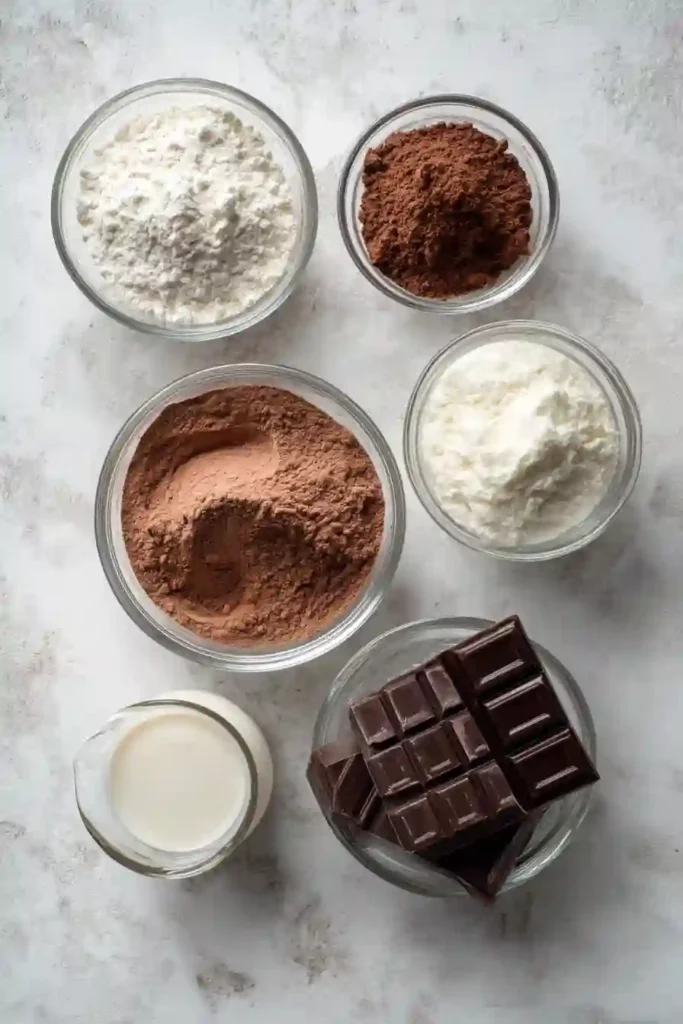
Base Ingredients Chocolate Pudding
- 2 cups milk of choice – The foundation. Use dairy milk for extra protein, oat milk for creaminess, or coconut milk for richness. Each brings different nutritional benefits to this flexible recipe.
- 1/4 cup sweetener – Choose from sugar, pure maple syrup, erythritol, or honey based on your dietary goals. This keeps the pudding naturally sweet without excessive calories.
- 1/4 cup Dutch cocoa powder – Non-negotiable for authentic chocolate flavor. The Dutch processing creates that smooth, sophisticated taste.
- 1/2 cup milk + 3 tbsp cornstarch – This slurry creates the perfect silky texture while keeping the recipe simple and clean.
Flavor Boosters
- 3/4 tsp pure vanilla extract – Enhances chocolate depth and adds subtle sweetness naturally.
- Heaping 1/8 tsp salt – The game-changer. Salt amplifies chocolate flavor and balances sweetness perfectly.
- 3 oz chocolate chips or bar (optional) – For extra indulgence. Choose quality dark chocolate for a nourishing boost of antioxidants.
Optional Additions
- Espresso powder (1/4 tsp) for deeper chocolate notes
- Almond butter (1 tbsp) for added protein and richness
- Cinnamon (pinch) for warm spice notes
| Ingredient | Why It Works |
|---|---|
| Dutch Cocoa Powder | Creates authentic chocolate flavor with minimal calories essential for a lighter pudding |
| Cornstarch | Natural thickener that creates silky texture without heavy cream or eggs |
| Salt | Amplifies chocolate flavor and makes sweetness taste more natural and balanced |
| Milk Base | Provides protein and keeps pudding light while maintaining creaminess |
| Real Chocolate Chips | Adds luxury and authentic cocoa flavor that keeps you satisfied |
Step-by-Step Method (Optimized for Best Results)
Preparing the Base
Pour the milk into a medium saucepan and start over medium heat for dairy or oat milk. If using coconut milk, use medium-low and whisk often because the thicker solids can scorch on the bottom.

Add the salt and Dutch cocoa to the milk before it gets hot. Whisking cocoa into cooler liquid first reduces clumps and gives the salt time to sharpen the chocolate flavor.
Mixing the Ingredients
In a small bowl, whisk the 1/2 cup milk with the cornstarch until no dry starch remains. Scrape the bottom of the bowl because cornstarch settles quickly.

Add the sweetener to the warming cocoa milk and whisk until the color looks even. This usually takes 2 to 3 minutes, and the mixture should steam lightly before the slurry goes in.
Cooking or Baking
Whisk the cornstarch slurry again, then pour it slowly into the warm cocoa milk while whisking constantly. This is the step that prevents lumps, especially near the edges of the pan.
Raise the heat to medium-high and bring the pudding to a full boil while whisking. Once it bubbles, cook for 2 to 3 minutes, until it coats the back of a spoon and a whisk line briefly holds on the surface.
Lower the heat and cook for 1 more minute, whisking enough to keep the bottom smooth. Stop once the pudding looks glossy; it will thicken more as it cools.
Final Assembly
Turn off the heat, then stir in the vanilla and any chocolate chips. Let the chips sit for 30 seconds before whisking so they melt into the pudding instead of streaking.
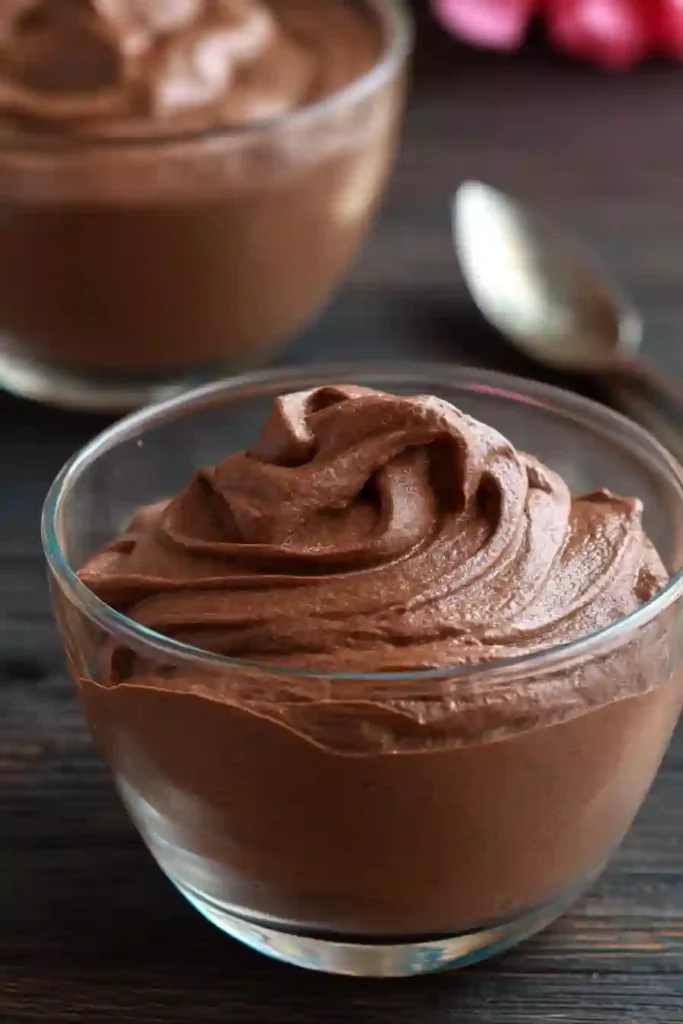
Transfer the pudding to cups or a shallow container. Press a piece of parchment or plastic wrap directly on the surface if you want to prevent a skin, then chill for at least 2 to 3 hours.

Healthy Chocolate Pudding
Ingredients
- 2 cups milk of choice dairy, oat, or coconut
- 1/4 cup sweetener sugar, maple syrup, erythritol, or honey
- 1/4 cup Dutch cocoa powder
- 1/2 cup milk + 3 tbsp cornstarch slurry
- 3/4 tsp pure vanilla extract
- Heaping 1/8 tsp salt
- 3 oz dark chocolate chips optional
- 1/4 tsp espresso powder optional
- 1 tbsp almond butter optional
Instructions
- Warm 1.5 cups of the milk in a saucepan over medium heat.
- Whisk in the cornstarch slurry, stirring continuously.
- Cook over medium heat, stirring constantly, until the mixture comes to a gentle boil. Continue cooking for 2–3 additional minutes, or until it visibly thickens and coats the back of a spoon.
- Remove from heat; stir in Dutch cocoa powder, remaining milk, sweetener, vanilla, and salt.
- Stir in melted dark chocolate chips (if using) and optional espresso powder or almond butter.
- Chill in the refrigerator for at least 2 hours to set the pudding to a luxurious consistency.
Notes
The pudding will firm up and become silkier after chilling up to 4 hours works well.
Adjust sweetness to taste; milk sugar and chocolate may reduce the need for added sweetener.
Store covered in the refrigerator for up to 4 days.
You’ll Also Love These Recipes

Texture & Cooking Fix Guide
Why It Turns Dry
If the pudding turns grainy, the heat was likely too high after thickening or the chocolate chips were boiled. Keep the boil short, then add chocolate off the heat.
If the chilled pudding is too thick, whisk in 1 tablespoon of milk at a time. Add slowly; a small amount changes the texture quickly.
Why It Becomes Dense
A paste-like texture usually means too much cornstarch or too long at a hard boil. Measure the cornstarch level, not packed, and start timing once the mixture truly bubbles.
Use the slurry amount written in the recipe and whisk before pouring, because cornstarch sinks as it sits. The pudding should be thick, not sliceable.
How to Fix Flavor
If the pudding tastes flat, add a tiny pinch of salt and let it chill before judging the flavor. Cold pudding tastes less sweet, so balance matters.
For deeper chocolate flavor, add 1/4 teaspoon espresso powder with the cocoa or stir in a few extra chocolate chips off the heat. Avoid adding dry cocoa after chilling because it can clump.
Smart Ingredient Comparison
Fat Choice (Oil vs Butter)
The base does not need butter because starch gives it body. For more richness, almond butter adds flavor and some protein, while coconut oil makes the pudding silkier but lower in protein.
Base Alternatives
Dairy Milk: Best for protein and classic pudding texture. It also sets reliably because the proteins and sugars brown the chocolate flavor slightly as the mixture heats.
Oat Milk: Naturally sweeter and creamy, but lower in protein than dairy milk. Watch the heat because some oat milks thicken quickly.
Coconut Milk: Rich and glossy with a light coconut note. It is lower in protein, so pair it with Greek-style toppings if protein is the goal.
Almond Milk: Lightest base and usually the lowest calorie option. It can taste thin, so vanilla and a few chocolate chips help round it out.
Common Mistakes to Avoid
- Skipping the salt: This one ingredient elevates chocolate flavor from flat to extraordinary. Don’t skip it.
- Not whisking the cornstarch slurry smoothly: Lumpy pudding starts here. Take 30 seconds to whisk it completely smooth.
- Using regular cocoa powder instead of Dutch cocoa: The difference in flavor is noticeable. Dutch cocoa is worth the upgrade for this recipe.
- Rushing the cooling process: Pudding needs time to reach full thickness. Patience rewards you with the silky texture.
- Overcooking after the boil: Stop at 2 minutes, not longer. More time doesn’t mean better results.
- Using cold milk from the refrigerator: Cold milk takes longer to heat and can create uneven texture. Use room temperature milk for best results.
Best Ways to Serve Chocolate Pudding
Classic Bowl: Top with berries, a small spoon of almond butter, and shaved dark chocolate. Keep toppings modest so the pudding stays light.
Parfait Layer: Alternate pudding with Greek yogurt and a spoonful of granola. This is the easiest way to turn it into a higher-protein snack.
Chocolate Mousse Style: Fold in 2 tablespoons whipped coconut cream just before serving for a softer texture. Serve immediately after folding.
Chia Seed Pudding Hybrid: Stir in 1 tablespoon chia seeds per serving before chilling. The texture will be thicker and more spoonable the next day.
Dipped Fruit: Serve chilled pudding with strawberries, banana slices, or almond cookies. This works best when the pudding has chilled overnight and holds its shape.
Is Chocolate Pudding Healthy?
Nutritional Balance
Per serving, the pudding is light, with nutrition depending on the milk and sweetener you choose. Dairy milk adds more protein and calcium; plant milks can lower calories but may also lower protein.
If you use erythritol or monk fruit, the pudding can be made with little or no added sugar. According to Harvard’s guidance on added sugar, keeping added sugar lower is a practical way to make chocolate desserts fit more often.
Protein & Satiety
The pudding itself is modest in protein unless dairy milk is used. To make it more filling, top it with Greek yogurt, stir in a small amount of protein powder after cooking, or add nut butter before serving.
For a post-workout dessert, build the bowl intentionally: pudding for chocolate flavor, Greek yogurt for protein, berries for freshness, and a measured crunchy topping for texture.
For more ways to make dessert more filling without losing the sweet finish, see our high protein desserts guide.
FAQ
Why does the texture fail?
Usually from overcooking the cornstarch, using cold milk, or not whisking the slurry smoothly. Follow the exact timing and temperatures, and you’ll get silky results every time.
Can I adjust ingredients?
Absolutely. This recipe is flexible with milk choices and sweeteners. Just keep the cornstarch-to-liquid ratio consistent for best texture. If you add protein powder, use 2 tablespoons maximum per serving to avoid grittiness.
How do I store it?
Keep covered in the refrigerator for up to 5 days. It actually tastes better after 24 hours as flavors deepen and texture thickens. Good for meal prep when you want a chocolate dessert ready after chilling.
Can I reduce sugar?
Yes. Start with 2 tablespoons sweetener instead of 1/3 cup. Taste after cooling and add more if needed. Dutch cocoa and salt provide natural sweetness, so you may not need as much as you think.
Does this work with regular unsweetened cocoa powder?
I’ve only tested this recipe with Dutch cocoa powder, so I can’t guarantee the same results with regular cocoa. Feel free to experiment, but Dutch cocoa’s smoother flavor and lower acidity are why this pudding tastes so luxurious.
Can I make this dairy-free?
Absolutely. Use full-fat coconut milk, oat milk, or cashew cream instead. The method stays exactly the same. Results may vary slightly in richness, but the pudding will still be delicious.