A healthy dessert should answer a simple question before it promises anything: will it satisfy the craving and still fit the way people eat on a normal weeknight? For 2026, that means smaller sugar loads, better fats, more fiber, and flavors that feel intentional rather than “diet.” The best options here keep the pleasure of familiar U.S. desserts while using fruit, oats, nuts, yogurt, olive oil, and cocoa to make each bite more balanced.

Table of Contents
Table of Contents
What Makes a Dessert Healthy?
A healthy dessert is not just a low-calorie dessert. It starts with ingredient quality, then uses portion size and texture to do the rest. The Dietary Guidelines for Americans recommend keeping added sugars under 10 % of daily calories.
The American Heart Association (AHA) goes further, capping added sugars at 6 % of calories about 6 teaspoons for women and 9 teaspoons for men. In practice, that means using sweetness where it is noticed most: ripe fruit, a little glaze, a dusting of cocoa, or a focused drizzle instead of sugar hidden in every layer.

The strongest healthy desserts usually have three parts: something naturally sweet, something creamy or rich, and something with fiber. Think baked apples with oats and yogurt, cocoa pudding with Greek yogurt, or a carrot-apple cake made with whole-grain flour. Plant oils and nuts can replace some butter, while cinnamon, lemon, vanilla, and cocoa make lower-sugar recipes taste complete instead of stripped down.
Benefits of Healthier Desserts
Fat choices
The practical swap is not to remove fat entirely, but to choose the fat that fits the dessert. Olive oil, canola oil, nuts, and seeds can help desserts stay tender while giving a different texture than butter alone.

Fiber and sweetness balance
Build dessert around fiber-rich ingredients before adding sweetness. Oats, apples, carrots, berries, chia, and nuts add texture and make portions feel more complete than a sweet drink or a frosted bar with little fiber.
Nutrient intake

Good healthy desserts earn their place by adding something useful, not just subtracting sugar. Berries bring color and tartness, lemon adds brightness, carrots and apples add moisture, and cocoa gives bitterness that makes a small portion feel deeper. These ingredients create flavor contrast, which is often what “light” desserts miss.
Creamy texture and fiber

Greek yogurt is especially useful because it brings protein, tang, and creaminess in one ingredient. It can soften cake batters, turn cocoa into pudding, or finish baked fruit without heavy cream. Carrots add natural sweetness and color; paired with apples or raisins, they help a snack cake stay moist with less added fat.
Chocolate flavor and satisfaction
For flavor and satisfaction, use cocoa and dark chocolate as anchors rather than decoration. A small amount of unsweetened cocoa can make yogurt, oats, dates, or berries taste more indulgent without needing a large sugar dose. Add a pinch of salt or espresso powder and the chocolate flavor reads stronger.
Smart Ingredient Swaps & Substitutions
Healthy desserts do not need a full recipe redesign. Start with one smart change, bake once, then adjust the next batch:
Plant oils instead of butter
Use olive, canola, or another neutral plant oil when a cake needs moisture more than buttery flavor. For a familiar family recipe, replace only half the butter first; if the crumb stays tender and the flavor works, you can go further next time.
Greek yogurt
Plain Greek yogurt works best where tang is welcome: lemon cake, chocolate pudding, berry parfaits, carrot cake, and quick breads. It can replace part of the sour cream, heavy cream, butter, or oil while adding body instead of making the dessert watery.
Applesauce and mashed bananas
Unsweetened applesauce and ripe banana are best for soft bakes such as muffins, snack cakes, and oat bars. They add moisture and natural sweetness, but they also change texture, so keep some fat in the recipe if you want a tender crumb instead of a gummy one.
Whole‑grain flour and whole cereals
Whole-wheat pastry flour, oat flour, and rolled oats add fiber without making dessert feel heavy. If you are converting a white-flour recipe, begin with a half-and-half blend so the structure stays familiar.
Reduce sugar
Reduce sugar where it will not be missed first: batters with ripe fruit, spiced cakes, oat bars, and yogurt-based desserts. Keep a little sweetness on the surface, such as a thin glaze or fruit topping, because the first bite shapes how sweet the whole dessert feels.
Featured Dessert Recipes
Lemony Olive Oil Pound Cake with Greek Yogurt

This loaf works because lemon and yogurt make the olive oil taste bright instead of heavy. Use a fruity olive oil if you like a more grown-up flavor, or a mild one for children and picky eaters. Whole-wheat pastry flour keeps the crumb soft, while Greek yogurt adds tang and moisture. Serve thin slices with berries or a spoon of yogurt rather than extra frosting.
view recipeHealthy Chocolate Pudding

For a fast no-cook dessert, whisk plain Greek yogurt with unsweetened cocoa, a small drizzle of maple syrup or honey, vanilla, and a pinch of salt. Let it sit for ten minutes so the cocoa hydrates and the texture becomes smoother. Top with berries, chopped nuts, or shaved dark chocolate when you want crunch without turning it into a sugar-heavy bowl.
view recipeFudgy Berry Bites

These no-bake bites are most useful as a small sweet after lunch or a freezer snack. Dates bind the mixture, cocoa gives depth, and berries bring tartness so the bites do not taste flat. Pulse the dates and nuts first, fold in mashed berries and cocoa, then roll small portions in coconut or crushed almonds. Keep them bite-size; that is what makes them work.
view recipeCarrot Apple Snacking Cake
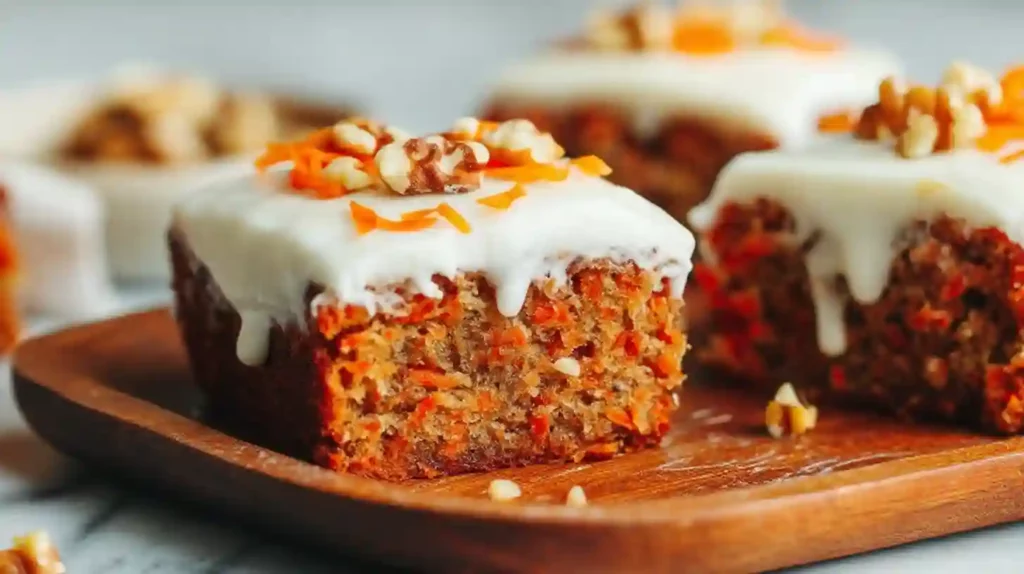
This cake is closer to a breakfast-style snack than a frosted layer cake. Shredded carrots and apples give moisture, whole-wheat flour adds structure, and cinnamon or nutmeg makes a lower-sugar batter feel warmer. Replace part of the butter with applesauce or Greek yogurt, but leave enough fat for tenderness. It is best cut into squares and packed for school, work, or a late-afternoon coffee break.
view recipeBaked Apples with Oatmeal and Yogurt

Baked apples are the easiest dessert here because the fruit does most of the work. Core the apples, stuff them with oats, nuts, cinnamon, and a little maple or brown sugar, then bake until the skins wrinkle and the filling turns soft. A spoon of plain Greek yogurt on top gives the warm-cold contrast that makes the dish feel finished.
view recipeServing & Storage Tips

For better texture, store soft cakes tightly wrapped, keep yogurt desserts chilled, and freeze date-based bites in a single layer before moving them to a container. Serve fruit desserts warm when possible, and add crunchy toppings at the last minute so oats, nuts, and coconut stay crisp.
- Moderate portions: Nuts and olive oil are healthy yet calorie‑dense. A handful (about 28 g) of nuts or one tablespoon of oil is a reasonable serving. Stick to the AHA’s added sugar limit of 6 % of calories.
- Refrigeration or freezing: Homemade breads and cakes keep for 2–3 weeks in the refrigerator and 2–4 months in the freezer. Baked cookies last 2–3 weeks at room temperature or 6–12 months frozen. Fruit pies store for 2–3 days in the fridge or 2–4 months in the freezer.
- Food safety: Refrigerate or freeze perishable desserts within two hours of baking or within one hour if the temperature is above 90 °F (32 °C). Keep the refrigerator at 40 °F (4 °C) or below and the freezer at 0 °F (−18 °C). Use airtight containers to prevent drying and mold growth.
- Creative serving: Pair cakes and muffins with a fresh fruit sauce or light yogurt. Sprinkle desserts with chia seeds or chopped nuts for extra fiber and omega‑3s.
Additional Resources & Inspiration
For more healthy dessert ideas, use these resources as starting points rather than strict rules:
- Recipe libraries from the American Heart Association and Harvard T.H. Chan School of Public Health, which feature high‑fiber, low‑sugar desserts that are easy to prepare.
- Nutrition programs at hospitals and universities such as Hartford Hospital, the Dana‑Farber Cancer Institute and the Cleveland Clinic, which regularly publish recipes tailored to patient needs and nutritional guidelines.
- Books and blogs by registered dietitians that highlight desserts made with fruits, whole grains and healthy fats.
FAQ
Are these desserts low in sugar or refined-sugar-free?
Many of these ideas reduce added sugar by using fruit, dates, applesauce, vanilla, spices, or smaller portions of sweet toppings. They are not sugar-free, so choose portions that fit your needs.
Can I substitute ingredients for allergies or dietary restrictions?
Yes. Use gluten-free flours when needed, plant-based yogurt or silken tofu for vegan desserts, and seed-based options such as sunflower or pumpkin seeds when nuts are not suitable.
How often can I enjoy healthy desserts as part of a balanced diet?
Treat them as desserts, even when they use more whole-food ingredients. Frequency depends on your overall meals, added sugar intake, activity level, and personal needs.
Do these desserts require special equipment or ingredients?
No. Most use basic equipment such as a bowl, whisk, oven, refrigerator, knife, baking dish, or food processor.
Conclusion
Healthy desserts work best when they protect the part people actually want: the comfort, the sweetness, the ritual after dinner. By choosing better fats, adding fiber, and using fruit, yogurt, oats, nuts, and cocoa with intention, you can make desserts that feel generous without becoming sugar-heavy. Start with one swap, taste honestly, and keep the versions your household will ask for again.